
The extreme heat that we are experiencing in the UK this week is enjoyable for many of us but is a potential hazard for elderly and vulnerable people.
Healthcare Homes has combined it’s own experience of caring for people in our homes and in their own homes with the wisdom of experts across the health and care sector to help people identify some warning signs in themselves or someone they care for.
How do I know if someone is dehydrated?
Signs of mild dehydration can include:
- increased confusion and agitation
- feeling very thirsty or hot
- increased thirst – consider whether the person can recognise or communicate this
- appearing vacant, sleepy or withdrawn
- mood changes
- headache
- dry mouth and lips, bad breath
- feeling fatigued and dizzy, lightheaded or feeling faint
- infrequent urination/dark urine or constipation
- sunken eyes
- muscle cramps
Signs of severe dehydration include:
- delirium or extreme, often sudden, confusion
- extreme thirst
- rapid breathing and heartbeat
- severe dizziness or /light-headedness
- not urinating, or passing very dark urine in small amounts
Someone showing signs of severe dehydration may need immediate treatment. You should request a GP appointment or phone NHS 111 for advice.
What are the risks of dehydration?
As well as suffering some, or all, of the symptoms above, for people living with dementia, dehydration may:
- make them more confused
- make their urine more concentrated, irritate their bladder and causei or /worsening incontinence
- increase the risk of falls
- make any medication less effective
How to prevent dehydration
There are lots of ways to increase fluid intake. Water is the best thing to drink as sugar, alcoholic and caffeinated drinks can increase dehydration.
You can:
- Sit and have a drink together
- Offer a drink whenever anyone visits – drinking is a sociable activity
- If carers are coming in, ask them to offer drinks at the start and end of their visits
- Leave glasses or jugs of water within easy each
- Provide high-water content foods, such as cucumber, watermelon or apples
- Make homemade ice lollies out of watered-down fruit juice or squash
- Ensure the person is sitting upright and comfortably, allow them time to drink without rushing
- Visit a café, day centre or lunch club where drinks are provided
- When someone has difficulty swallowing, ask their GP for a referral to a dietician
Other top tips to help older people cope in the heat
Avoid the midday sun – try to stay out of the sun during the hottest part of the day between 11am and 3pm.
Wear a hat and sunscreen and find shade if you can.
Find ways to cool off – Try putting a frozen bottle of water or ice pack next to a fan. Place a washcloth and some iced water nearby.
Dress appropriately – loose, light-coloured clothes made from natural fibres can help to keep people comfortable and prevent overheating.
Keep your living spaces as cool as possible. Keeping the curtains or blinds closed during the day can help. In the evening, opening the windows and doors if safe to do so can let the warm air out.
Regularly sprinkle or spray cool water on exposed parts of the body – a damp cloth on the back of the neck can help with temperature regulation. Take cool showers or baths.
If you can’t get to a relative or friend as often as you would like, ask friends and neighbours to pop in and check they are is ok.
Sources of information include

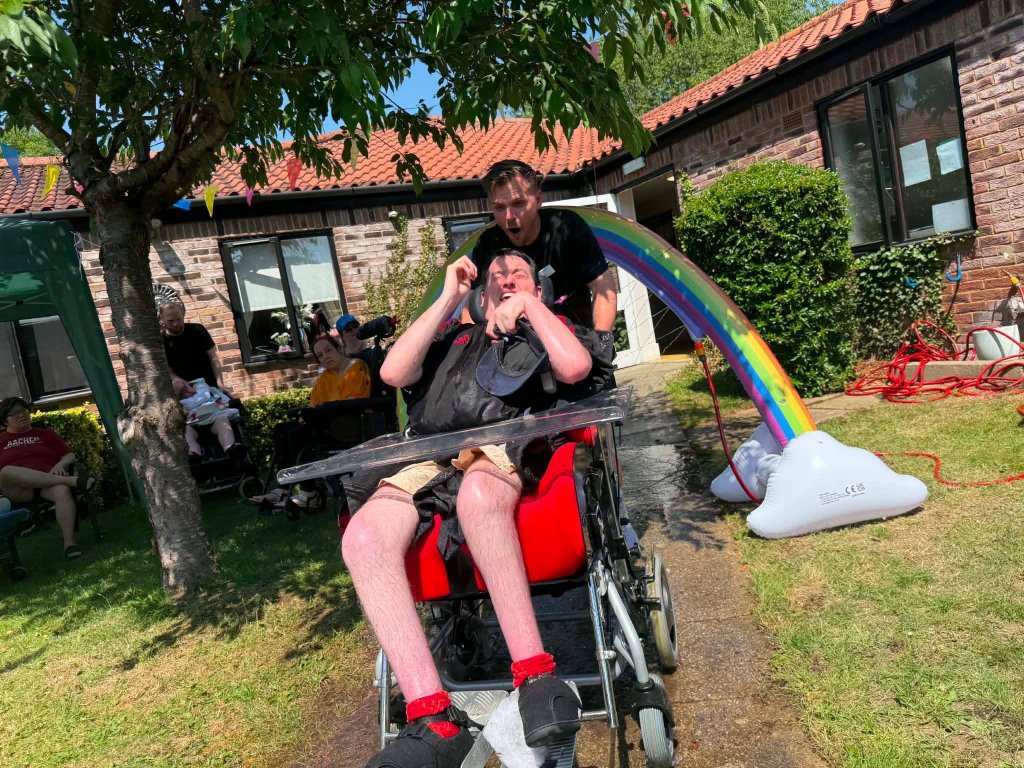
With hot weather continuing across Swaffham, staff at Meadow House created a simple outdoor activity to help residents stay cool. The team set up...

Kingsmead Care Home in Swindon welcomed Local MP and Secretary of State for Transport, Heidi Alexander, as part of Care Home Open Week....

Handford House in Ipswich welcomed residents, families, staff and members of the local community for a football-themed garden party as part of Care...
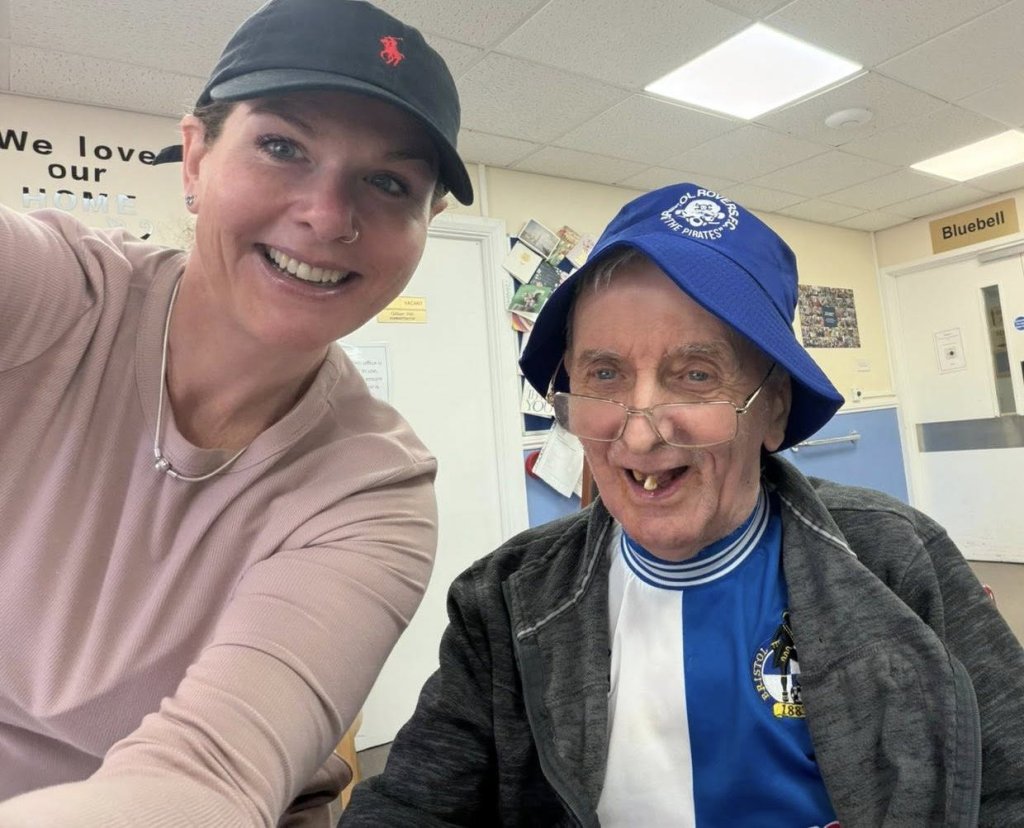
A resident at Oaktree Care Home in Yate recently experienced a special and long-awaited return to live football, attending a Bristol Rovers match at...